
Nitrate, Phosphate & Potassium (NPK) Combined Testing
Accurate nutrient testing for soil, water, and sap — helping you optimise plant health, growth, and yield.
What is NPK Testing?
NPK testing measures the three essential macronutrients plants rely on for healthy growth:
- Nitrate (N): Drives vegetative growth and chlorophyll production
- Phosphate (P): Supports root development, flowering, and energy transfer
- Potassium (K): Regulates water movement, stress tolerance, and overall plant resilience
Combined NPK testing gives growers a complete picture of nutrient availability, helping prevent deficiencies, imbalances, and wasted fertiliser.
Why Combined Testing Matters
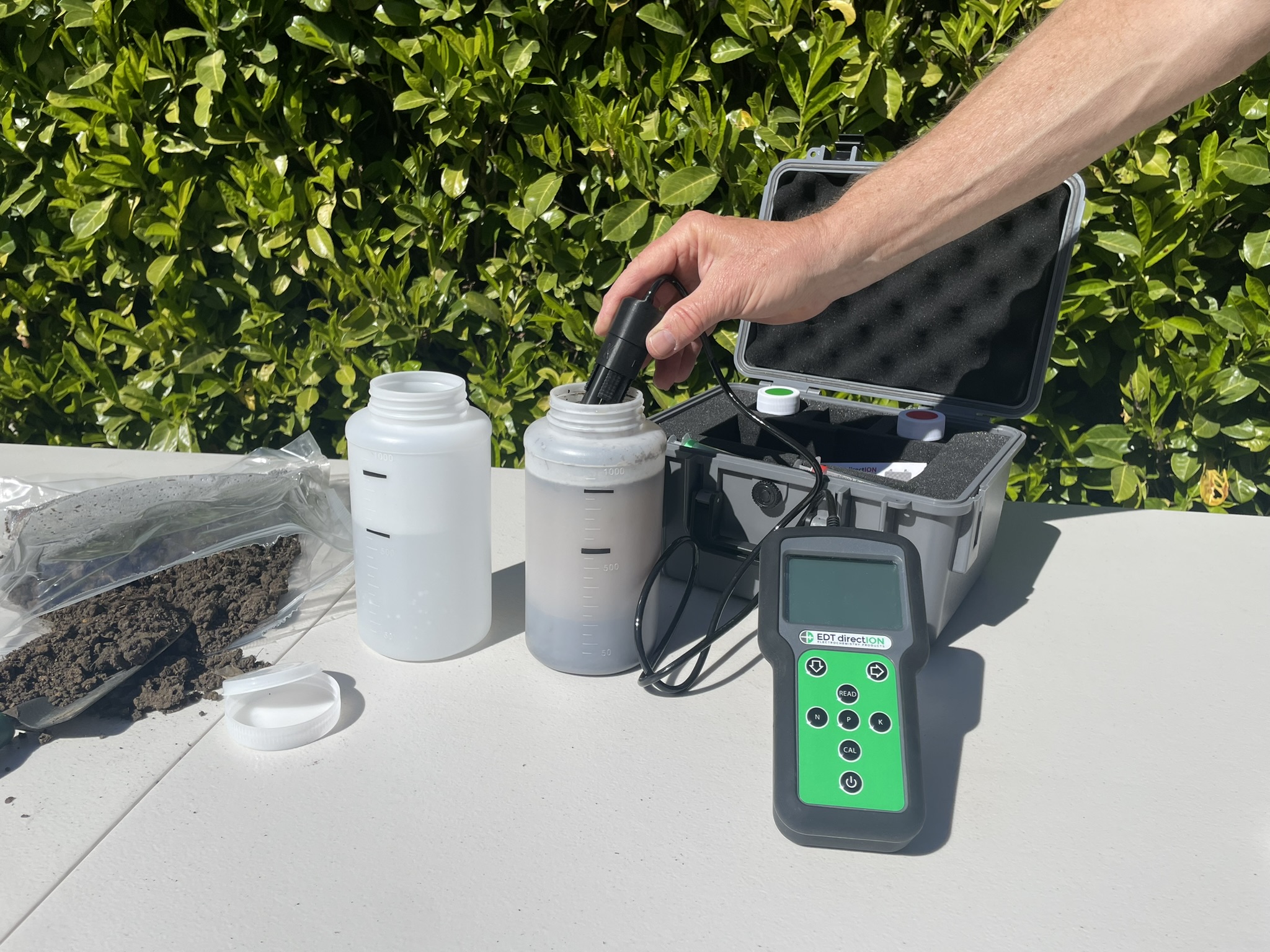
A combined NPK test provides:
- Balanced nutrient insight — not just one value in isolation
- Better fertiliser decision‑making
- Improved crop performance and yield
- Reduced nutrient runoff and environmental impact
- More accurate monitoring across soil, water, and sap
How Our Combined NPK Tests Work
Nitrate Testing
Measures available nitrogen for growth.
Shows whether plants can produce chlorophyll efficiently.

Phosphate Testing
Indicates root development potential and energy transfer.
Helps diagnose slow growth or poor flowering.

Potassium Testing
Shows how well plants regulate water and stress.
Critical for fruiting crops and drought resistance.
Common Nutrient Problems We Help You Solve

- Nitrogen Deficiency — pale leaves, slow growth

- Phosphate Lockout — poor root development, weak flowering

- Potassium Imbalance — leaf scorching, poor fruit quality

- Over‑fertilisation — nutrient burn and soil toxicity
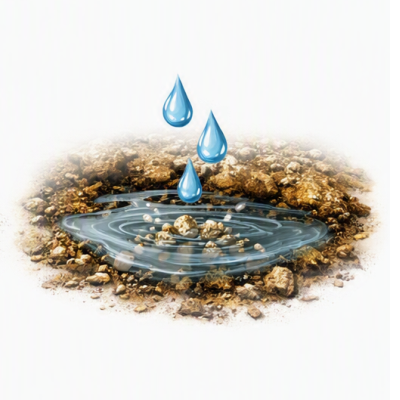
- Nutrient Leaching — fertiliser wasted through runoff
Nitrate Testing In Sap
Sap nitrate testing gives growers a real‑time snapshot of nutrient uptake inside the plant — not just what’s available in the soil.
Why Sap Testing Matters
- Shows actual nutrient absorption, not theoretical availability
- Helps diagnose issues before symptoms appear
- Allows precision fertiliser adjustments
- Ideal for high‑value crops (fruiting vegetables, soft fruit, greenhouse production)
What Sap Nitrate Levels Tell You
- Low sap nitrate: Plants are struggling to absorb nitrogen — often due to root stress, poor soil conditions, or competition from other ions.
- High sap nitrate: Indicates excess nitrogen uptake, which can lead to weak growth, poor fruiting, and increased susceptibility to pests.
Best Use Cases
- Greenhouse crops
- Hydroponics
- Intensive horticulture
- High‑value fruiting crops
- Rapid‑growth leafy crops
Explore Our NPK Related Products:
-
Series 4 Portable Ion Meter
£495.00 SKU: QP459 -
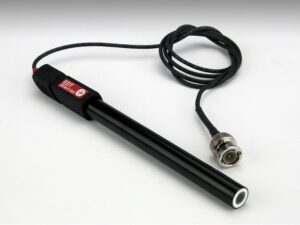
Calcium Combination ISE
£380.00 SKU: 3041 -
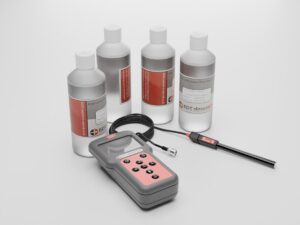
Phosphate Meter Kit
£795.00 SKU: QP459/PKit -

Calcium 1000ppm Standard Solution (500ml)
£24.00 SKU: 21310 -
Calcium Ionic Strength Adjustment Buffer (500ml)
£35.00 SKU: 30310 -

NPK Nutrient Meter Kit
£1,695.00 SKU: NPK-KIT -
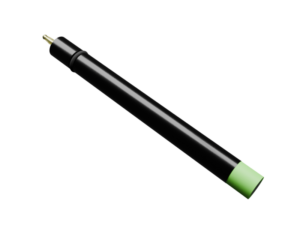
Replacement Nitrate Sensor for NPK Meter
£195.00 SKU: 2021/NPK -
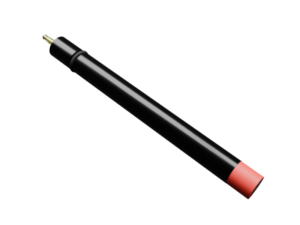
Replacement Potassium Sensor for NPK Meter
£195.00 SKU: 2031/NPK -
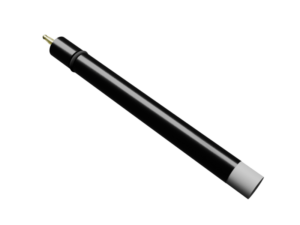
Replacement Phosphate Sensor for the NPK Meter
£195.00 SKU: 2292/NPK -
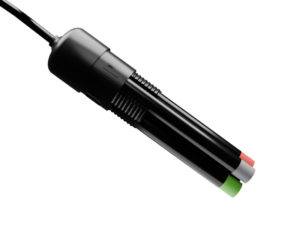
NPK Sonde Complete with N,P,K and Reference Sensors
£995.00 SKU: NPKR -
Calcium 100ppm Standard Solution (500ml)
£24.00 SKU: 21310/100 -
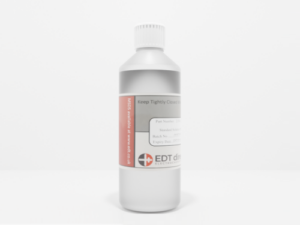
NPK MultiCal Standard 1 (500ml)
£35.00 SKU: MULTI1