Chloride Testing After Fire Damage
Detect Hidden Corrosion Risks After a Fire
Fire exposure can leave behind chloride contamination that accelerates corrosion in concrete, steel, and other structural materials. EDT’s chloride testing solutions help engineers, surveyors, and restoration specialists identify contamination early, prevent long‑term damage, and restore structural integrity safely.

Why Chloride Testing Is Essential After Fire Damage
When a fire occurs, salt‑based extinguishing agents, smoke residues, and combustion by‑products can deposit chlorides onto surfaces. These chlorides penetrate materials and trigger corrosion — even long after the fire is extinguished.
Testing reveals:
- Chloride contamination levels in concrete, steel, and coatings
- Areas at risk of accelerated corrosion
- Whether cleaning or remediation has been effective
- The need for protective coatings or cathodic protection
EDT Chloride Testing
Our chloride test kits provide fast, accurate field measurements using proven analytical methods.
Features:
- Portable, easy‑to‑use test kits
- Rapid chloride detection in solids and liquids
- Suitable for concrete, steel, and surface residues
- Ideal for post‑fire inspection and remediation projects

1. Collect Sample
Swab the contaminated area using the provided template.
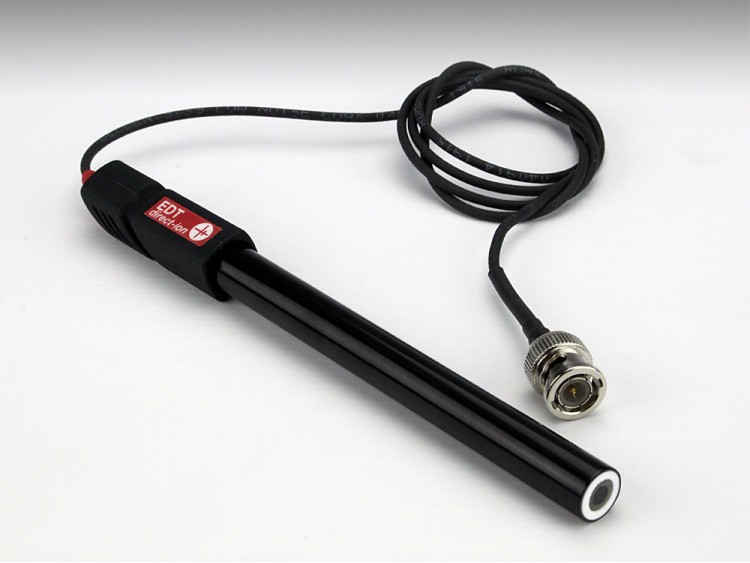
2. Prepare Sample
Place swab in provided solution to be measured with Chloride ISE.
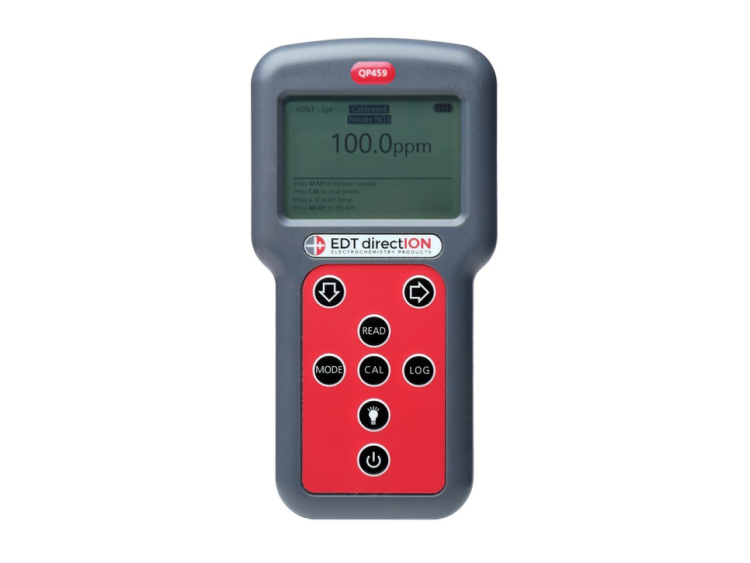
3. Take the Reading
Take the reading from the Ion Meter and convert the result.
Common Post‑Fire Corrosion Problems We Help You Solve
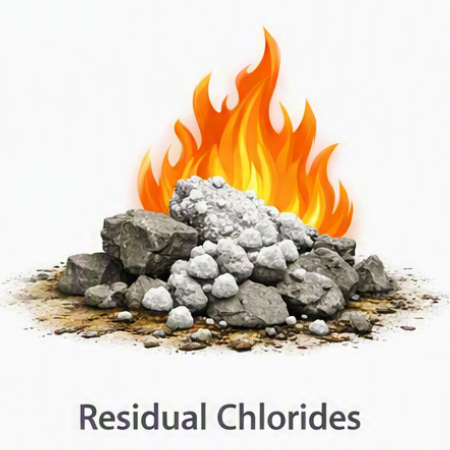
1. Residual Chloride Contamination
Even after cleaning, chloride ions can remain trapped in pores and coatings, continuing to corrode metal surfaces.
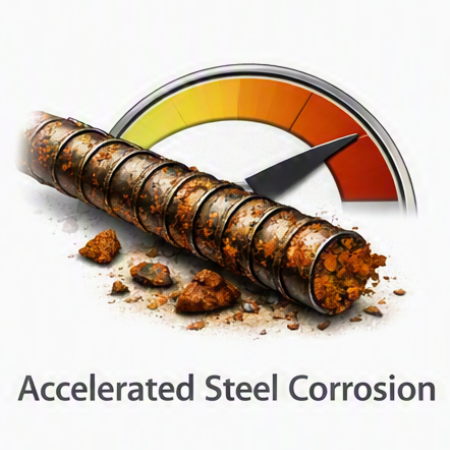
2. Accelerated Steel Corrosion
High chloride levels attack reinforcement bars and structural steel, weakening load‑bearing capacity.
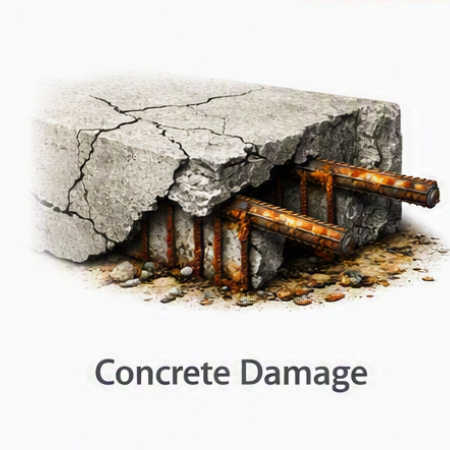
3. Concrete Surface Degradation
Chlorides penetrate concrete, breaking down protective alkalinity and causing cracking or spalling.
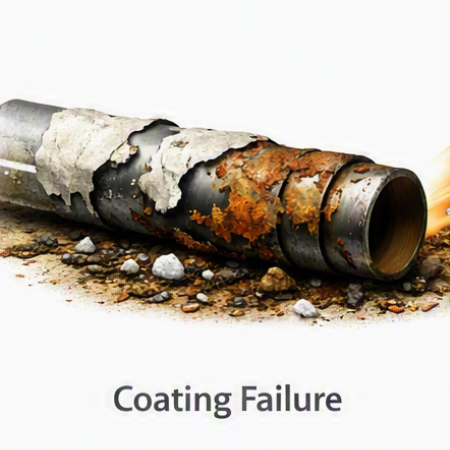
4. Coating Failure
Fire heat and chemical residues can compromise protective coatings, exposing metal to corrosion.
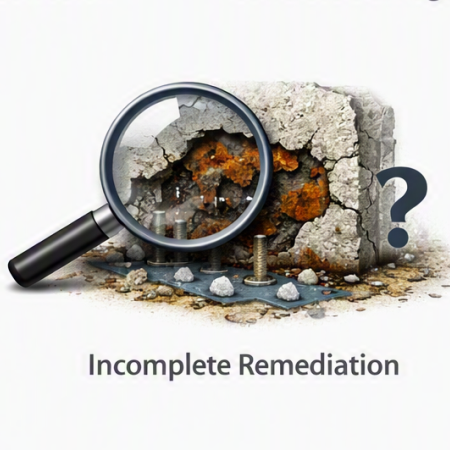
5. Incomplete Remediation
Without testing, hidden chloride pockets remain undetected — leading to recurring corrosion months later.
Testing Applications
EDT chloride testing is used across multiple industries:
Structural restoration — post‑fire concrete and steel assessment
Marine and coastal facilities — salt contamination after fire exposure
Industrial plants — chemical residue analysis
Heritage buildings — safe restoration of historic materials
Expert Insight: Chloride and Corrosion Chemistry
Chloride ions disrupt passive oxide layers on metals, allowing corrosion to accelerate rapidly. Testing identifies contamination before it causes irreversible damage — saving time, cost, and structural integrity.
Frequently Asked Questions:
Why is chloride testing important after a fire?
Fire exposure can leave behind chloride contamination from extinguishing agents, smoke, and combustion residues. These chlorides penetrate concrete and steel, accelerating corrosion long after the fire is out. Testing identifies contamination early so you can prevent structural deterioration and plan effective remediation.
Can chloride contamination occur even after cleaning?
Yes. Chloride ions can remain trapped deep within concrete pores or beneath coatings, even when surfaces appear clean. Without testing, hidden contamination continues to corrode metal components. EDT’s chloride analysis confirms whether cleaning has truly removed corrosive residues.
What materials can be tested?
Our chloride test kits work on concrete, steel, coatings, and surface residues. They’re suitable for post‑fire inspection of buildings, bridges, industrial facilities, and marine structures — anywhere chloride exposure may compromise integrity.
How accurate are the EDT Chloride Test Kits?
EDT kits use proven analytical chemistry methods for reliable field and lab results. They provide quantitative chloride readings that are typically within 5%, helping you make confident decisions about cleaning, repair, or protection.
How soon after a fire should testing be done?
Ideally, chloride testing should be carried out as soon as the site is safe to access. Early testing prevents corrosion from progressing and ensures remediation plans are based on accurate contamination data. Delaying testing increases the risk of hidden damage.