by Will Stockton | May 23, 2024 | Technical Articles
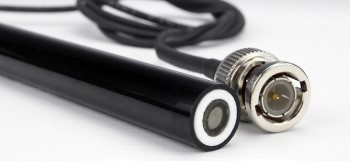
Cleaning a Fluoride ISE Q My Fluoride ISE has stopped measuring at very low levels (below 0.1ppm). It used to be very sensitive but no longer what can I do? A The sensitive membrane will have been contaminated or coated with something. The easy solution is to clean...
by Will Stockton | May 23, 2024 | Technical Articles
Electrode Storage Q In my lab I noticed that the conductivity electrodes are stored in pH7 buffer with all the pH electrodes. Can that be right? A Great question! No is the short answer. Conductivity cells should be rinsed after use with deionised water and then...

by Will Stockton | May 23, 2024 | Technical Articles
Chloride ISE Maintenance All crystalline ISEs do start to develop an oxidised layer on the crystal after a period of time. If the electrode is immersed for a long time it also gets a little soft on the outer layer. All you need do is dry the grey crystal surface and...
by Will Stockton | May 23, 2024 | Boats & Hull Potential
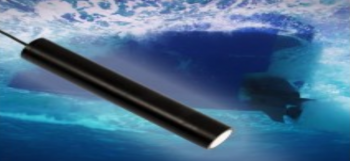
How to Measure Hull Potential The Hull potential measure in millivolts (mV) is simply the potential difference between the boats hull and a controlled Silver/Silver Chloride reference electrode. Each Hull material will have a different standard potential. If that...
by Will Stockton | May 23, 2024 | Electrochemistry Theory
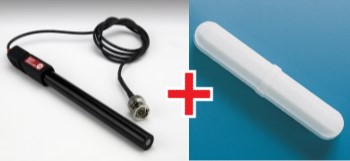
Magnetic Stirrers & ISEs Q Should I always use a magnetic stirrer when working with ISE’s? A Most ISE work involves mixing standards and samples with ISABs or performing a dilution. Your samples and standards should therefore be mixed thoroughly. However once...
by Will Stockton | May 20, 2024 | Water Testing
Cyanide in Water Measurement This describes the method for the determination of cyanide in water samples when metals which form cyanide complexes are not present. CAUTION: Cyanide solutions are extremely dangerous. Always use bulb or automatic pipettes, wear...