by Will Stockton | Oct 15, 2026 | Technical Articles
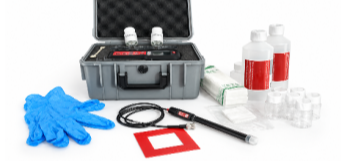
Chloride Sampling Procedure Following Fire Damage The Chloride test following fire damage is simple enough using a Fire Damage Chloride Test kit. However, it is very important to pay attention to the collection of the sample as contamination and procedural errors can...
by Will Stockton | Oct 2, 2026 | Technical Articles
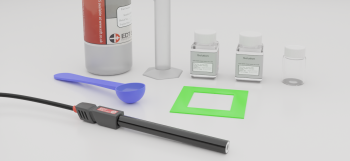
Nitrate Test For Rising Damp Nitrates are deposited by evaporation of soil water on the surface of walls. This is known as rising damp. If left for an extended period, the continual cycle of rising water and drying by evaporation has the effect of elevating the...
by Will Stockton | Jan 9, 2026 | Electrochemistry Theory, Technical Articles
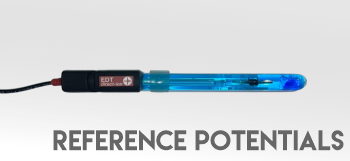
Reference Electrode Potentials The three most commonly used Reference electrodes are the Calomel, Silver/Silver Chloride and Copper Sulphate electrode systems. These are used for all Potential difference measurements (mV) in electrochemistry the most common being pH,...

by Paul Stockton | Oct 29, 2025 | Support, Technical Articles, Water Testing
Comprehensive Guide to Total Dissolved Solids (TDS) Total Dissolved Solids (TDS) refers to the combined content of all inorganic and organic substances contained in a liquid. In the context of water, TDS includes minerals, salts, and metals dissolved in water,...

by Paul Stockton | Aug 5, 2025 | Agricultural Methods, Electrochemistry Theory, Technical Articles
Soil Testing To measure the Nutrient or Ion content in a soil sample requires these ions to be extracted from the soil before any analysis can take place. This extraction needs to be simple, accurate and consistent to ensure the results are meaningful and...
by Will Stockton | Jun 12, 2025 | Electrochemistry Theory, Technical Articles
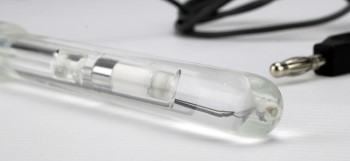
Reference Electrodes – Operating Instructions All EDT directION electrodes and sensors are shipped with the measuring tip covered with a soaker teat or bottle filled with the appropriate soaking solution. Prior to use remove the soaker teat from the electrode...